यह पृथ्वी जलवायु परिवर्तन, जैव विविधता के क्षरण तथा प्राकृतिक संसाधनों के अत्यधिक दोहन जैसी प्रमुख समस्याओं से जूझ रही है। जलवायु परिवर्तन के कारण पृथ्वी का अस्तित्व ही खतरे में पड़ गया है। अगर समय रहते हम नहीं चेते तो यह धरती रहने लायक नहीं रहेगी। आज इस कड़ी में यह जानने की काशिश करेंगे कि जलवायु परिवर्तन के प्रमुख कारण क्या है। इस जलवायु परिवर्तन का प्रकृति और मानव पर क्या असर पड़ रहा है। जलवायु परिवर्तन का कृषि और मानव स्वास्थ्य पर क्या असर पड़ रहा है। इस सब मामले में विशेषज्ञों की क्या राय है।
1. ग्रीनमैन पर्यावरणविद विजयपाल बघेल का कहना है कि 19वीं सदी में औद्योगिक क्रांति के बाद शहरों का आकार दिन-प्रतिदिन बढ़ने लगा। गांव सिमटने लगे। रोजगार पाने के लिए गांवों की आबादी शहरों की तरफ पलायन कर रही है। आज हालात यह है कि देश में बड़े और प्रमुख महानगरों में उनकी क्षमता से अधिक आबादी निवास कर रही है। इसके चलते शहरों के संसाधनों का असीमित दोहन हो रहा है। उन्होंने कहा कि जैसे जैसे शहरों का विस्तार हो रहा है, वहां उपलब्ध भू-भाग दिन प्रतिदिन ऊंची-ऊंची इमारतों से ढंकता जा रहा है। शहरों की जल संवर्धन क्षमता कम हो गई है। बारिश के पानी से प्राप्त शीतलता में भी कमी आई है। इसका पर्यावरण तथा जलवायु पर प्रभाव पड़ रहा है।
2. पर्यावरणविद बघेल का कहना है कि जलवायु परिवर्तन में औद्योगिकीकरण की बड़ी भूमिका है। विभिन्न प्रकार के उद्योगों से वातावरण में सल्फर डाइआक्साइड, नाइट्रोजन डाइआक्साइड, कार्बन डाइआक्साइड तथा अन्य जहरीली गैसें और धूलकण हवा में फैल रहे हैं। यह वायुमंडल में काफी वर्षों तक विद्यमान रहते हैं। इसका असर ग्रीन हाउस गैसों पर पड़ रहा है। इसके चलते ओजोन परत का क्षरण हो रहा है। इससे भूमंडलीय तापमान में वृद्धि हो रही है। उन्होंने जोर देकर कहा कि वायु, जल एवं भूमि प्रदूषण भी औद्योगिकीकरण की ही देन हैं।
3. उन्होंने कहा कि वनों की कटाई निरंतर जारी है। आबादी की जरूरतों को पूरा करने के लिए वृक्षों की कटाई जारी है। आवास, खेती, लकड़ी की मांग के चलते वनों की अंधाधुंध कटाई जारी है। इससे धरती का हरति क्षेत्र तेजी से कम हो रहा है। इसका सीधा असर जलवायु परिवर्तन पर पड़ रहा है। उन्होंने कहा कि रासायनिक कीटनाशकों एवं उर्वरकों के अधिक इस्तेमाल से पिछले कुछ दशकों में रासायनिक उर्वरकों की मांग तेजी से बढ़ी है। उन्होंने कहा कि लोग यह जानकर हतप्रभ हो सकते हैं कि आज दुनिया में एक हजार से अधिक प्रकार के कीटनाशी उपलब्ध हैं। अधिक उपज के खातिर इसका इस्तेमात तेजी से बढ़ रहा है। इससे वायु, जल तथा भूमि में इनकी मात्रा भी बढ़ती जा रही है।
जलवायु परिवर्तन के क्या हैं खतरनाक प्रभाव
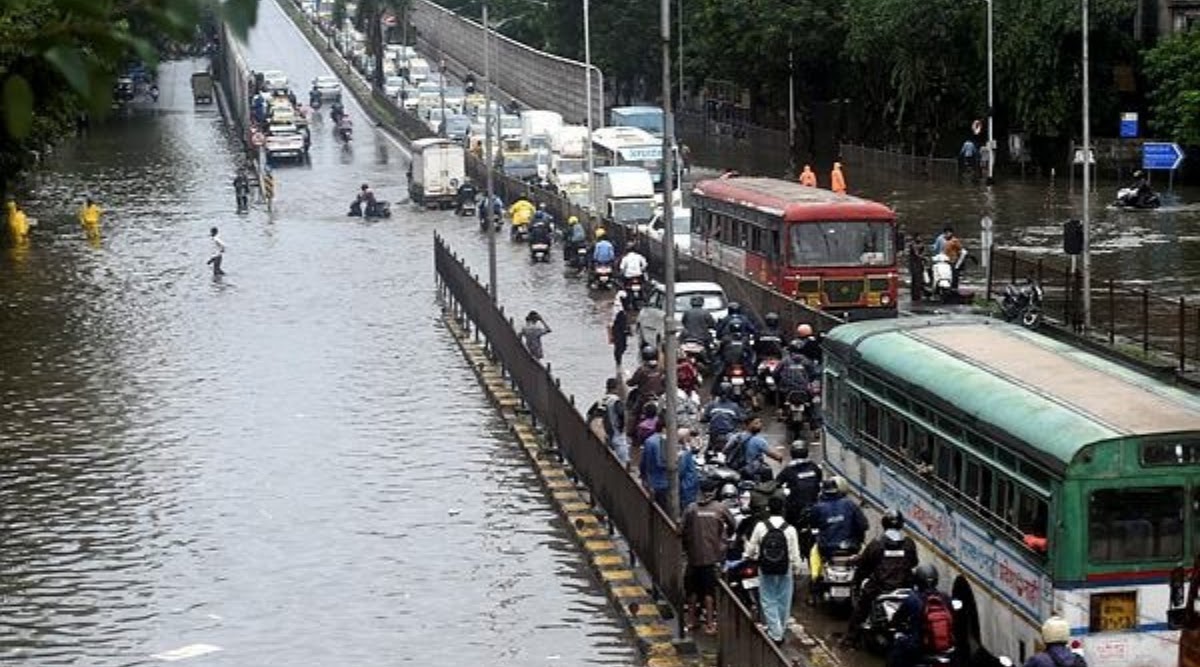
1. पर्यावरणविद बघेल का कहना है कि जलवायु परिवर्तन के चलते दुनिया में मानसून का संतुलन बिगड़ गया है। इसके चलते मानसूनी क्षेत्रों में वर्षा में वृद्धि होगी। उन्होंने कहा कि इसके चलते भूमि अपरद जैसी समस्याएं पैदा हो रही हैं। पर्यावरणविद बघेल का कहना है कि इसके कारण पीने योग्य पानी की गुणवत्ता में कमी आ रही है। उन्होंने कहा जलवायु परिवर्तन का असर भारत पर भी दिखने लगा है। इसके कारण मध्य और उत्तरी भारत में कम वर्षा होगी। उन्होंने कहा कि पूर्वोत्तर तथा दक्षिण पश्चिमी राज्यों में अधिक वर्षा होगी। इसके चलते मध्य तथा उत्तरी भारत में सूखे जैसे हालात उत्पन्न होंगे, जबकि पूर्वोत्तर तथा दक्षिण पश्चिमी राज्यों में अधिक वर्षा के कारण बाढ़ जैसी समस्याएं उत्पन्न होंगी।
2. उन्होंने कहा कि इसका असर कृषि पैदावार पर भी पड़ेगा। अमेरिका में फसलों की उत्पादकता में भारी कमी देखने को मिल रही है। दूसरी तरफ उत्तरी तथा पूर्वी अफ्रीका, मध्य पूर्व देशों, भारत, पश्चिमी आस्ट्रेलिया तथा मैक्सिको में गर्मी तथा नमी के कारण फसलों की उत्पादकता में बढ़ोत्तरी होगी। वर्षा जल की उपलब्धता के आधार पर धान के क्षेत्रफल में वृद्धि होगी। भारत में जलवायु परिवर्तन के परिणामस्वरूप गन्ना, मक्का, ज्वार, बाजरा तथा रागी जैसी फसलों की उत्पादकता दर में वृद्धि होगी, जबकि इसके विपरीत मुख्य फसलों जैसे गेहूं, धान तथा जौ की उपज में गिरावट दर्ज होगी।
3. पर्यावरणविद बघेल का कहना है कि जलवायु परिवर्तन के कारण दुनिया के ग्लेशियर तेजी से पिघल रहे हैं। यहअनुमान है कि ग्लेशियरों के पिघलने से औसत समुद्री जल स्तर 21वीं शताब्दी के अंत तक नौ सेंटीमीटर तक बढ़ने की संभावना है। इसका असर समुद्रतटीय देशों पर पड़ेगा। इसके चलते भारत के उड़ीसा, आंध्र प्रदेश, तमिलनाडु, केरल कर्नाटक, महाराष्ट्र, गोवा, गुजरात और पश्चिम बंगाल राज्यों के तटीय क्षेत्र जलमग्नता के शिकार होंगे। परिणामस्वरूप आसपास के गावों व शहरों में दस करोड़ से भी अधिक लोग विस्थापित होंगे। समुद्र में जल स्तर की वृद्धि से भारत के लक्षद्वीप तथा अंडमान निकोबार द्वीपों का अस्तित्व समाप्त हो जाएगा। समुद्र का जल स्तर बढ़ने से मीठे जल के स्रोत दूषित होंगे परिणामस्वरूप पीने के पानी की समस्या होगी।
4. उन्होंने कहा कि पर्यावरण प्रदूषण और जलवायु परिवर्तन का सीधा असर है। इसका प्रभाव जैव विविधता पर भी पड़ रहा है। वातावरण में अचानक परिवर्तन से अनुकूलन के प्रभाव में कमी आई है, इससे कई प्रजातियां समाप्त हो रही हैं। जलवायु परिवर्तन का सर्वाधिक प्रभाव समुद्र की तटीय क्षेत्रों में पाई जाने वाली दलदली क्षेत्र की वनस्पतियों पर पड़ेगा। यह समुद्री तटों को स्थिरता प्रदान करने के साथ-साथ समुद्री जीवों के प्रजनन का आदर्श स्थल भी होती हैं। जैव-विविधता क्षरण के परिणामस्वरूप पारिस्थितिक असंतुलन का खतरा बढ़ेगा।
5. उन्होंने कहा कि इसका असर मानव स्वास्थ्य पर पड़ेगा। विश्व स्वास्थ्य संगठन की रिपोर्ट के मुताबिक जलवायु में उष्णता के कारण श्वास तथा हृदय संबंधी बीमारियों में वृद्धि होगी। जलवायु परिवर्तन के चलते न सिर्फ रोगों में वृद्धि होगी, बल्कि इनकी नई प्रजातियों की भी उत्पत्ति होगी। इसके चलते फसलों की उत्पादकता पर विपरीत प्रभाव पड़ेगा। मानव स्वास्थ्य पर जलवायु परिवर्तन के प्रभाव के चलते एक बड़ी आबादी विस्थापित होगी जो पर्यावरणीय शरणार्थी कहलाएगी। इससे स्वास्थ्य संबंधी और भी समस्याएं पैदा होंगी।
उत्तर भारत में हुई तूफानी बारिश ने मौसम को बदल दिया।
75 किमी प्रति घंटे की गति से चली हवा के साथ हुई बारिश ने दिल्ली और एनसीआर में ठंड का अहसास करा दिया।
मौसम विभाग ने आज भी कई राज्यों में आंधी के साथ बारिश का अनुमान लगाया है।
नई दिल्ली, एजेंसी।
दिल्ली-एनसीआर सहित उत्तर भारत के कई राज्यों के मौसम में बदलाव से तेज आंधी-तूफान के साथ जोरदार बारिश हुई। मौसम विभाग का अनुमान है कि आज भी दिल्ली, बिहार, झारखंड आदि जैसे राज्यों में तेज बारिश जारी रहेगी। मौसम विभाग के अनुसार, दिल्ली में आज का न्यूनतम तापमान 19 डिग्री सेल्सियस रहेगा, जबकि अधिकतम तापमान 34 डिग्री सेल्सियस तक जा सकता है। आज भी आसमान में बादल छाए रहेंगे और हल्की बारिश हो सकती है। मौसम विभाग का अनुमान है कि कुछ राज्यों में आंधी-तूफान की वजह से लोगों को मुश्किलें हो सकती है। मौसम विभाग के ताजा अपडेट के मुताबिक ओडिशा के कई स्थानों पर आज भारी वर्षा की संभावना है। हिमाचल प्रदेश, उत्तराखंड में अलग-अलग स्थानों पर बिजली की चमक, 40-50 किमी प्रति घंटे की गति से तेज हवाओं और ओलावृष्टि के साथ साथ बौछारें पड़ने की संभावना है।
आंधी के साथ बारिश का कहर, गई 39 की जान
उत्तर प्रदेश में आंधी से कई जगह पेड़ और बिजली के खंभे उखड़ गए। इनकी चपेट में आने से प्रदेश में 21 लोगों की मौत हो गई। हरियाणा में झोपड़ी में सो रहे एक व्यक्ति की मौत हो गई और फरीदाबाद में करंट लगने से युवती की जान चली गई। पंजाब में चार, बिहार में पांच और मप्र में आंधी से पांच की जान चली गई। मैहर में रोपवे की 28 ट्रालियों में 80 यात्री डेढ़ घंटे तक हवा में फंसे रहे। हरिद्वार में दो लोगों की मौत हो गई।
इन राज्यों में आज बारिश की आंधी- बारिश की संभावना
इन राज्यों में आज और कल बारिश का अनुमान उत्तराखंड, पंजाब, हरियाणा-चंडीगढ़-दिल्ली, उत्तर प्रदेश और पूर्वी राजस्थान में भी आज अलग-अलग इलाकों में हल्की बारिश का अनुमान है। इसके अलावा, हिमाचल प्रदेश और उत्तराखंड में आज और कल और आज पंजाब में तेज बारिश हो सकती है। वहीं, जम्मू कश्मीर, हिमाचल प्रदेश और उत्तराखंड में भी आज बारिश होने का अनुमान है। अगले 2 दिनों के दौरान बिहार, झारखंड, पश्चिम बंगाल और ओडिशा में भी छिटपुट, मध्यम बारिश होने की संभावना है।
उत्तर प्रदेश में मौसम विभाग ने आज यलो अलर्ट जारी किया है। यूपी में मौसम का मिजाज अचानक बदलने से भीषण गर्मी के बीच लोगों ने राहत की सांस ली है। आज भी कई जिलों में सुबह से बादल छाए हुए हैं । इसी के साथ तेज आंधी और बारिश की संभावना है। सोमवार देर रात गाजियाबाद और फिरोजाबाद सहित कई जिलों में हुई बारिश ने लोगों को तपती जलती गर्मी के बीच चैन की सांस दी है। मौसम विभाग के अनुसार अगले कुछ दिनों तक मौसम ऐसा ही रहने की उम्मीद है।
हिमाचल में मौसम विभाग ने जारी किया यलो अलर्ट
हिमाचल प्रदेश के लाहुल को छोड़ सभी जिलों में आंधी और ओलावृष्टि का अलर्ट। यलो अलर्ट हुआ जारी। कई क्षेत्रों में बारिश होने की संभावना। मौसम विभाग के अनुसार आंधी, बारिश व ओलावृष्टि से तापमान में और गिरावट आएगी। लाहुल स्पीति के कोकसार में आज सुबह से बर्फबारी हो रही है।
उत्तराखंड में बारिश व ओलावृष्टि की संभावना
उत्तराखंड के पर्वतीय क्षेत्रों में जारी रहेगा बारिश व ओलावृष्टि का क्रम। ऊंची चोटियों पर बर्फबारी के आसार हैं। मौसम विज्ञान केंद्र के अनुसार मंगलवार को पहाड़ों में ओलावृष्टि और बारिश का यलो अलर्ट जारी किया गया है। कुमाऊं मंडल में कहीं-कहीं भारी बारिश हो सकती है। वहीं, मैदानी क्षेत्रों में 90 किमी प्रति घंटा की गति से अंधड़ चल सकता है।
पंजाब में हवा के बारिश का अनुमान, आरेंज अलर्ट जारी
मौसम विभाग के मुताबिक मंगलवार को पंजाब में कई स्थानों पर हवाओं के साथ बारिश का भी अनुमान है। मौसम विबाग के अनुसार पंजाब के अधिकांश इलाकों में आंधी बारिश की संभावना है। जिसे लेकर आरेंज अलर्ट भी जारी कर दिया गया है।
Weather Update ;
मौसम विभाग ने अगले 24 घंटे के लिए ऑरेंज अलर्ट जारी किया है।
इसके साथ ही अगले दो दिन तक यूपी बिहार मप्र राजस्थान पंजाब हरियाणा झारखंड में आंधी बारिश ओले व
बिजली गिरने की संभावना व्यक्त की गई है।
नई दिल्ली, एजेंसी।
देश में मानसून के पहले मौसम का मिजाज अचानक बदल गया है।
उत्तर भारत के कई राज्यों में आज तेज आंधी के साथ बारिश का अलर्ट जारी किया गया है।
राष्ट्रीय राजधानी दिल्ली में तेज आंधी और बारिश ने भारी नुकसान पहुंचाया है।
इस खतरनाक आंधी के चलते दिल्ली एनसीआर में कई जगह पेड़ उखड़ कर गिर गए तो हवा की रफ्तार ने आवागमन में बाधा डाली।
आंधी-बारिश के बीच दिल्ली एयरपोर्ट पर कई उड़ानें भी प्रभावित हुई हैं। मौसम विभाग ने अगले 24 घंटे के लिए ऑरेंज अलर्ट जारी किया है।
इसके साथ ही अगले दो दिन तक यूपी, बिहार, मप्र, राजस्थान, पंजाब, हरियाणा, झारखंड में आंधी, बारिश, ओले व बिजली गिरने की संभावना व्यक्त की गई है।
मानसून से पहले मौसम में अचानक बदलाव क्यों आया?
किन राज्यों में होगी बारिश? अगले 2 दिन देशभर में कैसा रहेगा मौसम? आइए विस्तार से जानते हैं..
मौसम में क्यों आया बदलाव
मौसम में अचानक बदलाव का कारण वेस्टर्न डिस्टर्ब (पश्चिमी विक्षोभ) माना जा रहा है।
स्काईमेट वेदर के मुताबिक पश्चिमी विक्षोभ उत्तरी पाकिस्तान और इससे सटे जम्मू-कश्मीर के हिस्से पर बना हुआ है।
एक चक्रवाती हवाओं का क्षेत्र पूर्वोत्तर राजस्थान और आसपास के इलाकों पर बना हुआ है।
एक ट्रफ रेखा पूर्वोत्तर राजस्थान से पूर्वी असम, बिहार, उप-हिमालयी पश्चिम बंगाल होते हुए मेघालय तक फैली हुई है।
रायलसीमा के ऊपर एक चक्रवाती हवाओं का क्षेत्र बना हुआ है।
यूपी के इन जिलों में आज हो सकती है बारिश
मौसम विभाग के मुताबिक, उत्तर प्रदेश में 23 मई को सिद्धार्थनगर, संतकबीर, कुशीनगर, देवरिया, गोरखपुर और गाजियाबाद, मेरठ, बुलंदशहर, मुरादाबाद, सहारनपुर, शामली और मुजफ्फरनगर में भी कहीं-कहीं आंधी के साथ बारिश की संभावना जताई गई है।
कई जिलों में सुबह से बादल छाए हैं। कुछ जगहों से सुबह तेज हवा के साथ हल्की बारिश भी हुई।
बिहार में बदला मौसम का मिजाज, इन जिलों में तेज बारिश के आसार
बिहार में मौसम का मिजाज अचानक बदल गया है। गर्मी की तपिश से परेशान लोगों को राहत मिली है।
मौसम विभाग के मुताबिक आज बिहार के पूर्वी चंपारण, दरभंगा, पश्चिमी चंपारण, मुजफ्फरपुर, बेगूसराय, गोपालगंज, शिवहर, सीतामढ़ी, वैशाली, समस्तीपुर, मधुबनी, सुपौल, मधेपुरा, अररिया, सहरसा, किशनगंज, पूर्णिया, कटिहार, भागलपुर और बांका में तेज आंधी के साथ बारिश की संभावना है।
उत्तराखंड में हुई झमाझम बारिश
उत्तराखंड में आज सुबह कई जगहों पर झमाझम बारिश हुई।
वहीं यमुनोत्री धाम की चोटियों पर बर्फबारी से ठंड पड़ रही है।
उधर, श्रीनगर और आसपास के क्षेत्रों में रात से हल्की बारिश जारी है।
नई टिहरी और आसपास के क्षेत्रों में भी बीती रात से झमाझम बारिश होने से मौसम में ठंडक आ गई है।
बारिश के चलते मौसम सुहाना हो गया है। साथ ही जंगलों में लगी आग भी शांत हो गई है।
मध्यप्रदेश के इन जिलों में तेज हवा के साथ बौछार पड़ने का अनुमान
मौसम वैज्ञानिक के अनुसार मध्यप्रदेश के ग्वालियर, चंबल, रीवा, सागर, शहडोल, जबलपुर संभागों में आज से बूंदाबांदी का अनुमान है।
भोपाल, उज्जैन इंदौर और नर्मदापुरम संभाग में दो-तीन दिन में प्री-मानसून बौछारें पड़ने की संभावना है।
भोपाल में तो 44 किलोमीटर प्रतिघंटा की रफ्तार से हवा चलने की आशंका है।
राजस्थान में तेज आंधी के साथ बारिश की संभावना
राजस्थान कई जिलों में अगले 24 घंटे में तेज आंधी के साथ बारिश की संभावना जताई गई है।
मौसम विभाग के मुताबिक, राजस्थान में नए वेस्टर्न डिस्टरबेंस का सबसे ज्यादा असर प्रदेश के जयपुर, अलवर, भरतपुर, बूंदी, बारा, धौलपुर, दौसा,करौली, सवाई माधोपुर, टोंक, कोटा, चूरू, नागौर, श्रीगंगानगर, पाली, बीकानेर और जोधपुर में नजर आएगा।
इन पांच राज्यों में बाढ़ जैसे हालात
देश के कुछ राज्य ऐसे हैं जहां बारिश के कारण बाढ़ जैसी स्थिति उत्पन्न हो गई है।
इन राज्यों में असम, कर्नाटक, केरल, मेघालय और मणिपुर शामिल हैं।
इन राज्यों में भारी बारिश के कारण जगह-जगह जल जमाव हो गया है।
लोगों का घर से बाहर निकलना मुश्किल हो रहा है।
केरल और कर्नाटक में अरब सागर की ओर से चलने वाली तेज चक्रवाती हवाओं के कारण मूसलाधार बारिश हो रही है।
अगले सप्ताह केरल पहुंच सकता है मानसून
आईएमडी ने बताया कि दक्षिण-पश्चिमी मानसून के अगले सप्ताह की शुरुआत में केरल पहुंचने की उम्मीद है।
विभाग के अनुसार अरुणाचल प्रदेश, असम-मेघालय, नगालैंड, मणिपुर, मिजोरम और त्रिपुरा में अगले दो दिनों के दौरान हल्की से मध्यम बारिश हो सकती है।
World Environment Day 2021:2022 ; COVID-19 (epidemic infection) has done damage to Bio-Diversity and proven to be dangerous for the whole world.
Why is biodiversity needed in our lives?
- Biodiversity is ctitical to life on earth
- Biodversity makes the earths habitats and ecosystems healthier and more stable.
- We all depend on the earths variety of ecosystems for fresh air clean water and food - all of the things
- we need for life.
- Therefore our life depend on biodiversity...
Nutritional effects
Nutrition has a deep meaning. All the healthiest foods like plant fruits or animal meat etc. are obtained from nature.
Due to the destruction of these sources, there may be a decrease in the option of nutritious foods in the future.
As a result, there is a fear of weakening of our immune system.
For example, the demand for Almond Milk is increasing rapidly worldwide.
To meet this demand, bees are being used separately.
Bees help in maintaining the ecosystem with the help of pollination.
Due to this, you can get almond milk and all fruits.
Experts believe that if the current situation continues,
then one day you may not get almonds, honey or fruits dependent on pollen.
Therapeutic effect
According to the WHO, more than 60 per cent of the world's population depends on traditional medicine.
Micronutrients used in it are obtained from nature.
In addition to plant food, it is also the source of many types of ingredients, which are used to make medicines.
The public health system around the world depends on it.
Experts believe that if there is a continuous loss of biodiversity like the present time, then many trees and plants with medicinal properties will end.
Climate change and living crisis
The loss of biodiversity affects the climate indirectly but surely.
The effects of climate change on life have been seen in the last few years.
For example, the rise in the level of air pollution and the health risks associated with it, from natural disasters like severe cyclones, hurricanes, etc., are related to climate change itself.
Due to climate change, the natural habitat of humans and animals has also been seen.
As a result, many species of animals are slowly going extinct.
Due to climate change, not only life is becoming difficult for humans as well as health hazards are also increasing rapidly.
Contagious effect
Due to the loss of biodiversity, many types of infections are also increasing rapidly around the world.
As many species are slowly going extinct from the earth, the microorganisms and viruses that
live in them are now finding another place for themselves.
These microorganisms and viruses have now started supporting the human population.
As a result, infectious diseases are increasing rapidly, which are also fatal in many cases.
The erosion of biodiversity and its deadly effects can be seen as the Covid-19 virus at present.
This infection has so far affected more than 63 lakh people all over the world, and it has also killed about four lakh people.
Forest bathing gives you an opportunity to destress and reconnect with the nature
When was the last time you spent time in the forest?
With growing urbanisation and technology seeping deep into our lives,
we are growing increasingly distant from nature. We are also witnessing a rise in mental health issues,
with stress and anxiety becoming increasingly intrinsic to modern life.
This is where forest bathing can help. And no,
it doesn’t mean you literally have to bathe in the forest.
Forest bathing as a term first emerged in the 1980s in Japan,
where it’s called shinrin-yoku (shinrin means forest and yoku means bathing).
It basically means taking some time out to spend in nature and letting yourself be absorbed by it.
When you let yourself lose amid nature,
all the stress and anxiety gradually melts away and you get increasingly mindful of your surroundings.
- No, forest bathing is not the same as exercising.
- And no, it’s not just for nature lovers.
- While forest bathing, you just spend time amid nature, which can be as simple as taking a walk in your garden, or a park, or nearby woods.
Overall, it can be understood as a cross between fitness and mindfulness.
On why you should consider doing it:
- Forest bathing gives you a natural escape amid the technology boom-induced burnout.
- It allows you to reconnect with nature.
- Who knows, it might inspire you to take steps to protect forests.
How To Do Forest Bathing
- Make sure you leave all the electronic devices behind as you would not need them, says Li.
- Since you are going to roam around mindlessly, let your body be your guide. Let it lead you to go to places. Listening to your senses can help. Follow the chirps of a bird or the smell of the damped soil. This is one of those rare situations where you absolutely give in to your senses.
- Be mindful, let the forest enter your mind through your senses. Observe the different shades of green, smell the flowers around, feel the texture of the leaves, observe the flowers, birds, and your surroundings.
As you connect to nature, you cross the bridge to happiness, Li says.
And there are many activities you can do while forest bathing, such as:
- Walking
- Yoga
- Meditation
- Eating
- Painting
- Singing
You can do any activity of your choice.
Benefits Of Forest Bathing
Although reconnecting with nature isn’t just a Japanese concept and is a part of several cultures, the Japanese were the first to come up with the term.
You should also consider forest bathing for its several benefits:
- As you generally roam around, you engage in physical activity that is beneficial for your health. A thing that should be noted here is that a 2010 study that compared walking in a city to walking through a forest revealed that in the latter’s case, a significant reduction in blood pressure and stress hormones were found.
- It clears your mind and gives you a respite from stress and anxiety.
- Connecting with nature gives you a refreshing and rejuvenating experience.
- You get a boost of energy.
- Forest bathing allows you to unplug from technology and slow down.
Concretisation and extreme heat have rendered traditional cooling methods ineffective
Heatwaves that have swept parts of the country have made life difficult, especially for people in the villages who cannot afford air conditioning.
Traditional cooling mechanisms have either vanished due to concretisation or become ineffective due to unprecedented heat.
In Odisha, where the mercury touched 45 degrees Celsius in places,
villagers are making changes to their daily routine or using natural solutions to find respite.
A forested village in Odisha’s Sambalpur district, wakes up at around 4.30 am and goes to the forest to collect kendu leaves, a minor forest produce.
Tries to come back by 9.30 am before the sun starts scorching the grounds.
Naik and other tribal women like her used to stay much longer in the forest to collect the leaves but the unbearable heat this year forced them to come back early.
We carry water bottles, still get tired by the time we return home,” said Naik.
The women sit under a shady tree to bundle the leaves and take to the forest department’s selling centre in the evening, she said.
Odisha, especially its western districts, has been reeling under intense heat spells from the beginning of April. Balangir, Titlagarh and Boudh districts recorded maximum temperatures of 45°C on April 30, 2022, while nine other places recorded 44°C, according to the India Meteorological Department (IMD).
On April 25, at least 27 of IMD’s total 37 stations in the state recorded a maximum temperature of 40°C, with eight stations recording a maximum temperature of 43°C.
Vanishing traditions
Village homes would earlier be made of mud, with baked clay tiles or paddy straws as roofs. Those houses were eco-friendly and relatively cooler even during summer.
In recent years, most such traditional houses have been replaced by the one-room concrete houses given to villagers under government schemes. The concrete match-box houses radiate heat during the summer.
Besides, the concrete village roads, also built under government schemes, have added to the heat.
“Many people in our village have spread paddy straw or palm leaves over the concrete roofs to make the room cooler,” said Biraratha Jani of Simlipadar village in Boudh, where the maximum temperature recently crossed 45°C.
Paddy straws, however, are in short supply, especially in villages where modern farm machinery like paddy cutters have been introduced. Paddy straws are wasted on the fields or eaten by animals.
The main refuge during scorching afternoon hours even today are large trees like banyan, mango and ‘baula’ (Mimusops elengi or spanish cherry) in most of the villages across Odisha. Villagers, mostly men, spend their afternoons under the shade of such trees, playing cards or dozing off.
Temples and community halls surrounded by trees and flanked by ponds also serve as resting places during the day.
In Kudagotha and Similipadar villages, people have built a round-shaped ‘naam ghar’ (prayer hall), with the roof and all sides covered with palm leaves.
It is fitted with a water cooler and water pots and the villagers are spending most of their time in this space.
Many villages, however, do not have much tree cover left and people have no option but to stay indoors in small concrete houses that radiate heat.
They only consume water and ‘pakhal’ (watery rice) to counter heat.
Biraratha Jani said that few villagers in their villages have started building separate mud houses near their cropland to spend the afternoon in them.
On the other hand, big villages having larger populations have different sets of problems.
Laida in Sambalpur district is one of the biggest revenue villages of Odisha with a population of around 4,000.
The village, which may be called a semi-urban area, has mostly cement houses; only 20 per cent houses, mostly belonging to Dalits, are made of mud.
Like other villages, the shady trees are a big help for the people in Laida, while most houses have water coolers.
Some houses have installed air conditioners. However, the heat generated from the nearby aluminium plant and some crusher units around the village is a cause of concern, according to villagers.
Irregular electricity supply and drying up of water sources have added to the summer woes of the people in villages.
It is more visible in the villages in Balangir, which has been one of the hottest places in Odisha this summer.
Many of the water sources are electricity dependent and they become useless due to irregular power supply.
The government has ordered the district administrations to supply water in tankers to water-stressed areas but they are not enough to meet the requirement, said villagers.
In the water-stressed villages, women have an added job of walking longer distances to streams or rivulets to fetch water, vital for keeping them hydrated.
Natural shade reducing
The intensity of summer had been on the rise in the last several years but the mechanism available in villages to protect them from heat seemed to be shrinking, people in many villages complained.
The natural barriers against heat like big, shady trees are under threat as well.
There used to be large mango groves in most villages some years ago, with 30-70 trees in each.
The canopy of these trees created a cool atmosphere, even though temperatures outside shot past 40°C.
But such groves are vanishing fast due to the creation of new croplands, road construction and other development works.
“With such a natural protective resource gone, life will be more miserable,” Ashok Pradhan, a farmer leader, said.
Such a scenario is quite evident from the situation of people living in villages near mining areas.
People of Tilia and Junanimunda villages in Jharsuguda district are surrounded by coal mines and bereft of tree cover and proper water sources. Most of the houses have tin or asbestos roofs.
“It feels like we are boiling in a furnace. We have no way of getting out,” said Junaimunda resident Ishan Munda.
Traditional coping mechanisms of the people are gradually failing due to the unprecedented increase in heat wave and heat stress conditions, fuelled by climate change and local drivers, environmentalist Ranjan Panda said.
People are suffering a lot due to growing concrete infrastructures at the cost of vegetation covers, wetlands and other open spaces.
“Most of the measures are short-term and not very beneficial for the poor and marginalised communities,” Panda said.
Long-term heat mitigation plans need to incorporate ecosystem restoration actions, strengthened public health infrastructure at the grassroots level, he added.
The Union environment ministry’s Forest Advisory Committee (FAC) held a meeting to consider a proposal for diversion of 1,165.66 hectares of forest land in Arunachal Pradesh’s Dibang Valley for the construction of the 3097-MW Etalin Hydroelectric Project, said officials familiar with the matter.
The project will involve felling of over 2.8 lakh trees in dense subtropical, evergreen, broad-leaved forest and subtropical rain forest according to a factsheet submitted to the
The FAC has heard the proposal four times so far —
Salim Ali Centre for Ornithology and Natural History, among others, read.
On February 28, 2017, the FAC had met to discuss granting clearance to the project but recommended a “multiple season replicate study on biodiversity assessment of the catchment area.”
“There are 5 projects that are to be allocated to us very soon in the Dibang basin of around 5,097 MW. The process of allotment has not yet begun. Three projects have been already cancelled by previous allocatees.
SJVN Ltd will sign a memorandum of understanding with Arunachal government for transfer of these projects.
Sharma said difficulty in getting forest clearances and high tariff of hydropower projects make it difficult to attract investment.\
We discussed the project at length but I cannot say anything about the decision until minutes of today’s meeting are made,” said an FAC member who did not wish to be named.


